Top Trends in Windows and Doors for 2025: What Homeowners Need to Know
As we look towards 2025, the landscape of windows and doors is evolving rapidly, driven by advancements in technology, changing consumer preferences, and an increased focus on sustainability. Homeowners today are seeking not only aesthetic appeal but also functionality and energy efficiency. Scherer windows and doors are among the premier options that exemplify these trends, highlighting the importance of choosing products that align with modern needs and values.
One of the significant trends is the rise of smart glass technology, which allows homeowners to control light and heat entry, contributing to reduced energy bills and enhanced comfort. Furthermore, there is a growing emphasis on sustainable materials and manufacturing processes. Homeowners are more conscious about their environmental footprint and are opting for windows and doors that are both stylish and eco-friendly. This trend towards sustainability is expected to accelerate as more people prioritize responsible living.
Additionally, design trends are becoming increasingly diverse, with a blend of traditional and modern elements that cater to varied architectural styles. Customization options are also gaining popularity, enabling homeowners to create unique looks that reflect their personal style while maximizing functionality. Understanding these emerging trends will empower homeowners to make informed decisions for their residences, ensuring that their investments in windows and doors not only enhance the beauty of their homes but also provide long-term value.
Emerging Materials for Windows and Doors in 2025
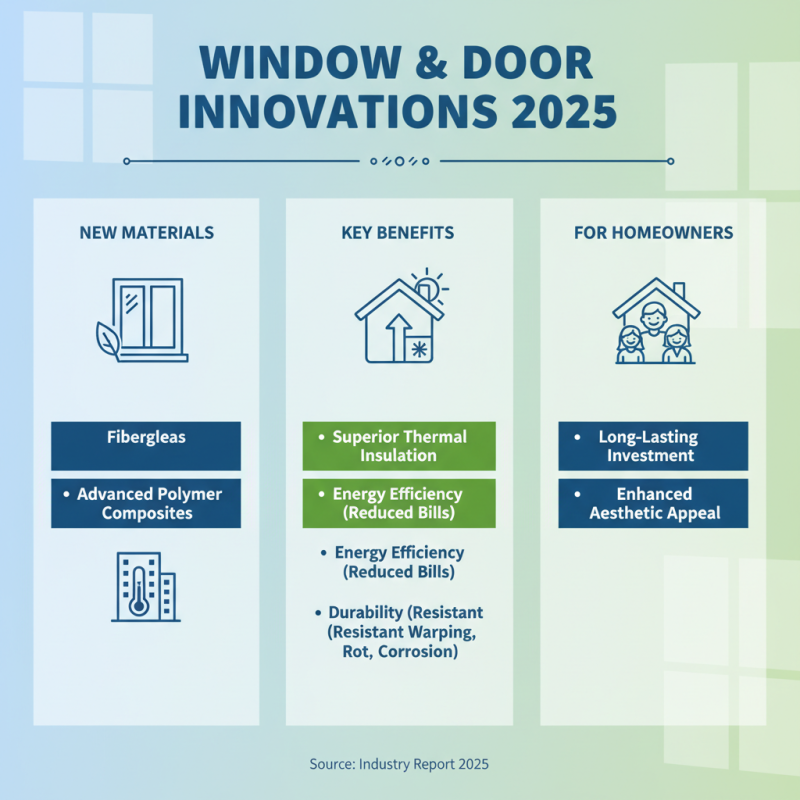
As we approach 2025, the window and door industry is witnessing a significant transformation with the emergence of innovative materials designed to enhance energy efficiency, durability, and aesthetic appeal for homeowners. One of the most notable trends is the rise of fiberglass and advanced polymer composites. These materials offer superior thermal insulation properties compared to traditional wood or aluminum, minimizing energy loss and reducing heating and cooling costs. Additionally, they are resistant to warping, rotting, and corrosion, making them a long-lasting investment for homeowners.
Another exciting development is the integration of smart glass technology in windows. This innovative material can change its opacity in response to sunlight or temperature, helping to regulate indoor temperatures naturally. By reducing reliance on artificial heating and cooling, smart glass further improves energy efficiency, making homes more sustainable. Furthermore, advancements in manufacturing processes have made these materials more accessible, allowing homeowners to enjoy cutting-edge design while also focusing on environmental impact and functionality. As we move into 2025, homeowners should be prepared to embrace these emerging materials for their windows and doors, revolutionizing both form and function in their living spaces.
Energy Efficiency Innovations and Their Impact on Homeowners
As we look forward to 2025, the focus on energy efficiency innovations in windows and doors is set to transform the way homeowners approach their living spaces. With rising energy costs and growing environmental concerns, more homeowners are seeking solutions that not only reduce their carbon footprint but also enhance their comfort and savings. Advanced technologies are being integrated into the design of windows and doors, such as triple glazing, low-emissivity (Low-E) coatings, and improved sealing techniques. These advancements significantly improve thermal performance, allowing homes to maintain a consistent indoor climate without over-relying on heating and cooling systems.
Moreover, the impact of these innovations extends beyond just energy efficiency; they also contribute to enhanced aesthetics and property value. Modern designs that incorporate larger glass surfaces and innovative frame materials provide homeowners with stylish options that promote natural light and outdoor views while ensuring superior insulation. As energy-efficient windows and doors become more accessible and attractive, homeowners can invest in features that not only fulfill their aesthetic desires but also drastically reduce energy bills. This dual benefit encourages a more sustainable lifestyle while fostering a sense of pride in one’s home, exemplifying how energy efficiency is now a fundamental consideration in home renovations and new builds alike.
Smart Technology Integration in Windows and Doors
The integration of smart technology in windows and doors is transforming homeowners' experiences, enhancing both security and convenience. According to a report by the Smart Home Market, over 40% of homeowners are considering upgrading to smart windows and doors by 2025. This trend is driven by the growing demand for home automation, allowing users to control their windows and doors remotely through mobile applications. Features such as automated locking systems, sensors that detect environmental changes, and energy-efficient mechanisms are becoming essential for modern residences.
Moreover, the implementation of smart technology not only improves safety but also significantly contributes to energy savings. The U.S. Department of Energy reports that smart windows can reduce heating and cooling costs by up to 15% annually. By utilizing sensors and real-time data, these windows can adjust their tint and insulation properties based on weather conditions, making homes more energy-efficient. As homeowners increasingly prioritize sustainability and energy management, smart windows and doors are poised to play a pivotal role in the future of residential design, aligning with broader environmental goals.
Design Trends Shaping Aesthetics and Functionality
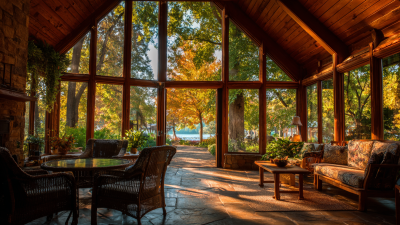
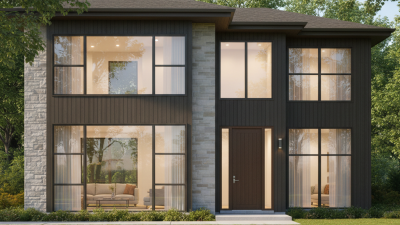
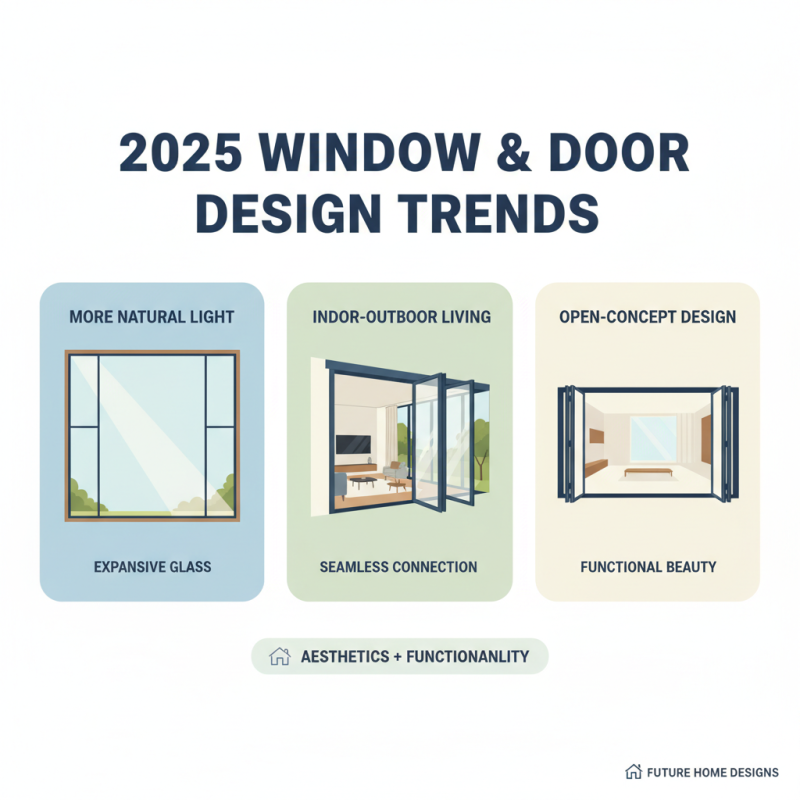
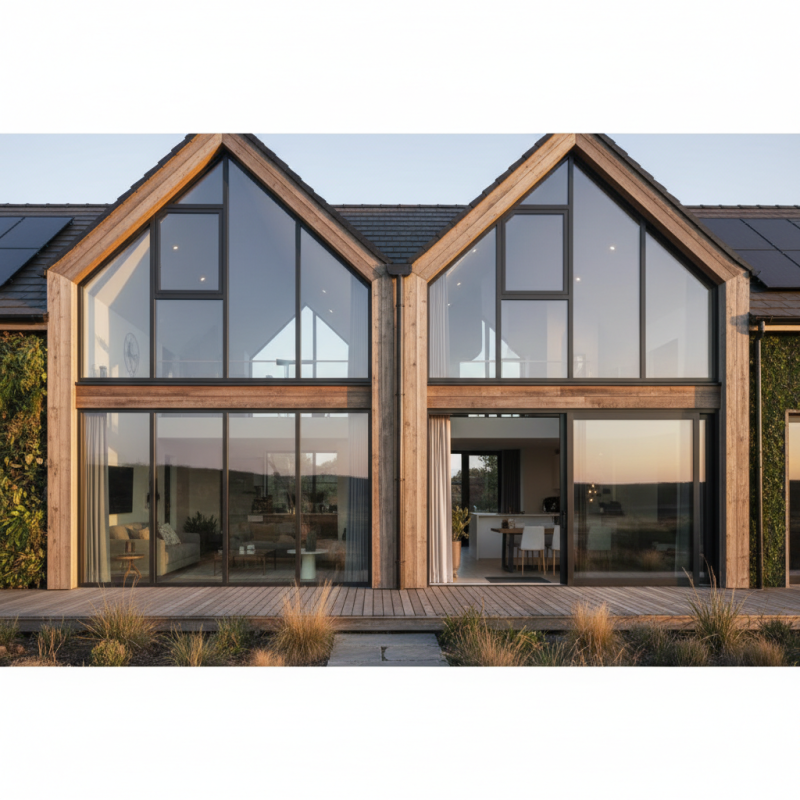
As we look ahead to 2025, the design trends in windows and doors are transforming the way homeowners perceive both aesthetics and functionality. One of the most noticeable trends is the move towards larger, more expansive window designs that flood interiors with natural light. Homeowners are increasingly seeking to create a seamless connection with their outdoor environments, making large sliding or folding doors a popular choice. These designs not only enhance the visual appeal of a space but also promote an open-concept lifestyle that encourages indoor-outdoor living.
Another key trend is the integration of smart technology into window and door systems. Features such as automated shading, remote locking mechanisms, and energy-efficient glazing are revolutionizing how homeowners interact with these elements of their homes. This not only improves convenience but also bolsters energy efficiency, as homeowners can control natural light and ventilation with ease. Additionally, materials like fiberglass and aluminum are gaining traction, providing durability without sacrificing style. These advancements promise not only to elevate the aesthetic quality of homes but also to enhance their overall functionality, leading to a more modern and sustainable living environment.
Sustainability Practices in Window and Door Manufacturing
As homeowners become increasingly aware of environmental issues, sustainability in window and door manufacturing has emerged as a key focus for 2025. Manufacturers are now prioritizing eco-friendly materials such as recycled aluminum, reclaimed wood, and energy-efficient glass. These materials not only reduce waste but also enhance the overall energy efficiency of homes. The integration of sustainable practices is evident in the emphasis on durability and long-lasting performance, reducing the need for frequent replacements and lowering the overall carbon footprint associated with production and disposal.
In addition to materials, the manufacturing processes themselves are undergoing significant transformations. Many companies are adopting green technologies that minimize energy consumption and reduce emissions during production. Techniques such as water-based finishes and low-VOC adhesives are becoming standard, contributing to healthier indoor air quality for homeowners. Moreover, a growing number of manufacturers are adhering to certifications that ensure environmentally responsible practices, allowing homeowners to make informed choices when selecting windows and doors. As sustainability trends continue to shape the industry, homeowners can expect innovative designs that align with their values and enhance the energy efficiency of their living spaces.
Top Trends in Windows and Doors for 2025: What Homeowners Need to Know - Sustainability Practices in Window and Door Manufacturing
| Trend |
Description |
Sustainability Practice |
Benefits |
| Energy-Efficient Windows |
Windows designed to minimize energy loss |
Use of low-emissivity glass and argon gas fills |
Reduces energy bills and environmental impact |
| Recycled Materials |
Use of materials like recycled vinyl or aluminum |
Sourcing materials from post-consumer waste |
Decreases landfill waste and resource consumption |
| Smart Windows |
Windows that adjust tint based on sunlight |
Incorporating technology for energy management |
Improves comfort and reduces cooling costs |
| Biophilic Design |
Emphasizing natural light and views |
Designing with nature in mind to enhance well-being |
Promotes mental health and reduces stress |
| Sustainable Manufacturing |
Processes that reduce waste and energy use |
Adopting lean manufacturing principles |
Lower production costs and environmental footprint |