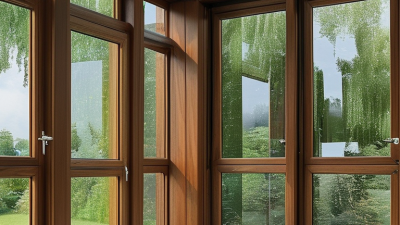
Choosing the right home repair windows can protect a building from drafts, moisture, noise, and rising energy costs. For global buyers, the decision involves more than appearance. Climate, local construction methods, available materials, and repair skills all matter.
Building-science expert Joseph Lstiburek often emphasizes, “Water is the enemy.” This simple warning deserves attention. A small gap around a frame can allow rain behind the wall. Over time, paint may bubble, timber may soften, and indoor air can smell slightly musty. These details are easy to dismiss. They should not be.
This guide examines ten practical window options for repair and renovation projects. It considers vinyl, aluminum, timber, fiberglass, composite, double-glazed, triple-glazed, storm, tilt-and-turn, and heritage-style windows. Each option has strengths and weaknesses. Some perform well in cold regions but overheat rooms in strong sunlight. Others look attractive but demand regular maintenance. A low price can also hide difficult installation or limited replacement parts.
Reliable buyers should check frame quality, glazing performance, drainage design, hardware, warranty terms, and installer experience. Energy labels may use different standards worldwide, so direct comparisons can become confusing. Even experienced renovators make mistakes here. A beautiful window is not automatically a durable one.
The best choice balances weather protection, comfort, repairability, budget, and long-term performance. These ten categories provide a useful starting point, not a perfect answer. Each building still needs careful inspection before purchase.
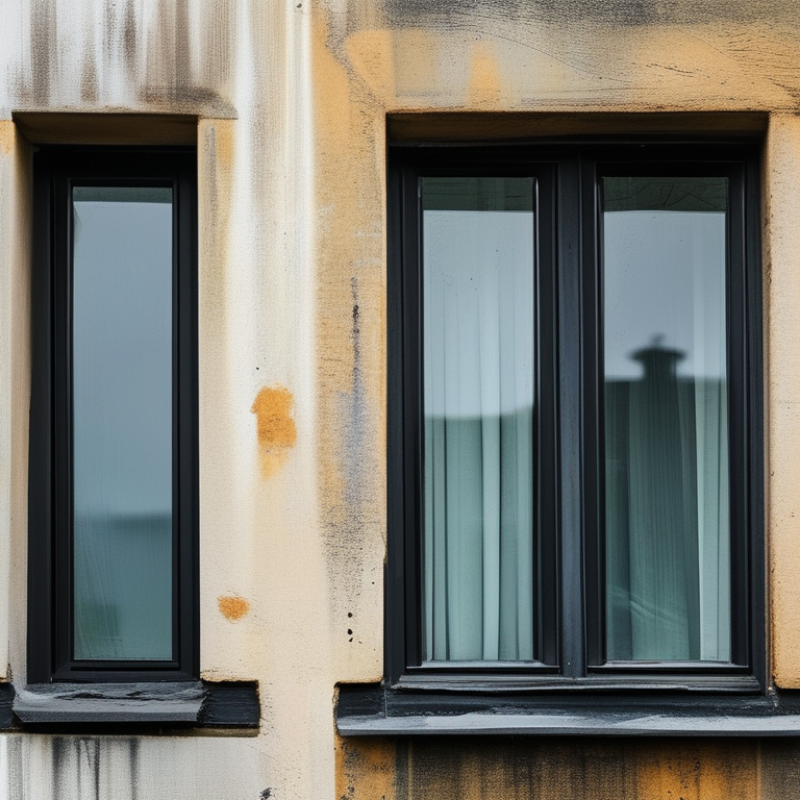
Home repair windows come in many forms, and each suits a different building condition.
Sliding windows move horizontally along tracks and suit wide openings. Hopper windows tilt inward, making them useful in basements and compact rooms. Picture windows provide broad views, but they do not open for ventilation. Bay windows extend outward and create interior space, while bow windows offer a softer curved design. Roof windows or skylights bring daylight from above, yet require careful flashing and drainage.
Essential features include strong frames, low-conductivity glass, secure hardware, and reliable weather seals.
Check drainage holes carefully; blocked channels often cause hidden water damage. A perfect-looking frame may still leak.
The correct choice depends on climate, wall structure, local building rules, and repair skills. In practice, homeowners often focus on appearance first.
That can be a costly mistake.
Measure the opening twice, inspect surrounding timber for rot, and confirm ventilation needs before ordering.
Even experienced installers can overlook condensation patterns.

When global buyers compare home repair windows, appearance is only one consideration. The correct choice begins with climate, wall condition, and local building practices. A coastal home may need corrosion-resistant hardware, while a cold inland room needs strong seals and low heat transfer. Measure each opening at several points. Older walls are rarely square. Small errors create drafts, water stains, or difficult installation. Measure twice.
Check the frame material, glass layers, drainage paths, and gasket quality. In humid regions, inspect how rainwater exits the lower frame, not only the surface finish. For hot climates, solar-control glass can reduce glare and indoor heat near large windows. In colder areas, insulated glazing can improve comfort beside the glass.
Ask for documented U-values, solar heat gain data, air leakage results, and impact testing where relevant. Marketing claims are not enough. Verify test methods and measurement units before comparing products across countries.
Installation deserves the same attention as the window itself. A skilled installer should check sill slope, flashing, fasteners, and perimeter insulation. Field inspections often reveal poor drainage hidden beneath neat finishes. That detail is easy to miss. Also assess cleaning access, replacement parts, warranty coverage, and opening direction. Local requirements for emergency egress, ventilation, sound control, and safety glazing may change the suitable design. No checklist is perfect. Budget pressure can force compromises, but ignoring water management usually costs more later.
Replacing a damaged window starts with the opening, not the style. Measure width, height, depth, and corner condition twice. A small error can create drafts, leaks, or expensive masonry work. For simple ventilation, casement windows open outward and catch cross breezes. Awning windows hinge at the top, so they can ventilate during light rain. Sliding windows suit narrow walls and are easy to operate, though their tracks need regular cleaning.
Double-hung windows work well where inward clearance is limited. Fixed windows provide daylight but no airflow. Picture windows offer broad views for living rooms, yet they may increase solar heat.
Bay and bow windows add space, but their support and waterproofing demand skilled installation. Hopper windows are useful in basements when escape rules and ventilation requirements are satisfied. Louvered windows can move air efficiently, but their seals may perform poorly in cold or dusty climates.
Glass selection matters as much as frame design. Double glazing can reduce noise and temperature swings; low-emissivity coatings help in strong sunlight. Coastal homes may need corrosion-resistant hardware, while humid areas require careful drainage details.
Ask a qualified local installer to verify wind loads, safety glazing, emergency exit rules, and energy standards. I once underestimated the sill slope on a repair, and water entered after the first storm. No list is perfect. Existing walls often change the best choice.
Installation depends on climate, wall structure, and local workmanship. I have seen small fitting errors cause major drafts within one winter. Measure the opening twice, then inspect sill drainage, frame alignment, and surrounding moisture damage. Casement, awning, sliding, single-hung, and double-hung windows suit different ventilation needs. Tilt-turn units can support controlled airflow in cooler regions. Fixed, bay, louvered, skylight, and hopper windows offer other practical solutions.
Climate Considerations Hot, humid regions need corrosion-resistant hardware and reliable seals. Place operable windows where cross-ventilation can move indoor heat outward. In rainy tropical areas, use deep exterior overhangs and sloped sills. They reduce water entry. Cold climates require insulated frames, tight gaskets, and careful perimeter sealing. Triple glazing may help, but poor installation can waste its benefit. Dry, dusty areas need durable tracks and removable screens. Coastal homes need frequent hardware inspections because salt attacks exposed metal.
Maintenance Essentials Maintenance should match local weather, not a generic calendar. Clean drainage channels every few months, especially after storms. Check sealant for cracks, and test each latch before seasonal temperature changes. A stiff handle may signal frame movement, not simple dirt. Do not ignore condensation. It can reveal weak ventilation, indoor humidity, or a cold bridge around the frame. Regional building guidance remains essential, although it cannot replace an experienced site inspection. No checklist is perfect. Existing walls often behave differently from drawings.
Choosing among ten repair-window options requires more than comparing purchase prices. A low-cost frame may develop drafts, swollen seals, or difficult locks within a few seasons. Practical inspections often reveal problems around the sill, especially after heavy rain or strong sunlight. Measure the opening carefully, then include removal, installation, ventilation, and future maintenance in the budget.
Safety should guide the shortlist. Tempered glass helps reduce dangerous sharp fragments after breakage. Laminated glass can hold together during impact and may reduce outside noise. Bedrooms may need suitable emergency-opening dimensions under local building rules. Check lock strength, hinge condition, child-access risks, and safe cleaning access. Requirements differ across countries, so local professional advice remains important.
Energy performance affects both comfort and long-term value. Compare U-factor, solar heat gain, air leakage, frame insulation, and glazing layers. A lower U-factor generally limits heat transfer, but excessive solar gain can overheat rooms in sunny climates. Coastal buyers should question corrosion resistance, while cold-region homes need reliable seals. I have seen excellent glass perform poorly after careless installation. That is an uncomfortable reminder: the window is only part of the system. A slightly higher initial cost may repay itself through lower energy use, fewer repairs, and steadier indoor temperatures. Still, savings are never guaranteed; orientation, climate, workmanship, and household habits can change the result.