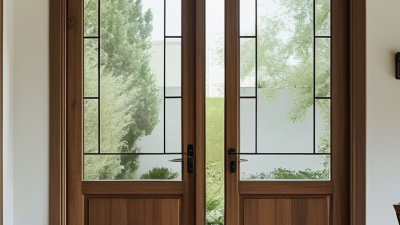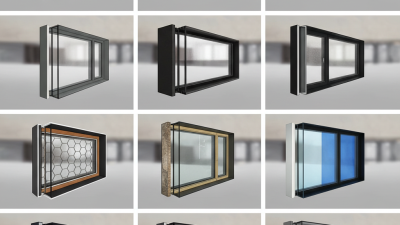
Choosing Scherer windows and doors involves more than comparing colors and price tags. These products influence comfort, daylight, security, and long-term maintenance. A bright showroom may look convincing, yet real performance depends on construction, installation, and local weather. The right decision starts with careful questions.
This guide shares seven practical tips for evaluating scherer windows and doors in a responsible way. Check frame materials, glass packages, energy ratings, hardware, drainage, and warranty terms. Small details matter. Ask how the units perform during heavy rain, strong sunlight, or winter temperature changes. Request written specifications, not only verbal promises. Measure every opening twice, especially in older homes where walls may have shifted. Measure twice.
A qualified installer should explain flashing, sealing, sill support, and finishing work in clear language. References from similar projects can reveal problems that brochures rarely mention. An honest comparison should include upkeep, repair access, delivery timing, and total installation cost. Cheap pricing can become expensive when adjustments are needed later. That is not always obvious.
Even experienced homeowners can overlook ventilation or forget how a door swing affects furniture. I would also question any claim that sounds perfect. Performance depends on the building, climate, and installation quality. These seven tips are designed to support informed conversations with manufacturers and contractors, while leaving room for professional inspection and careful reconsideration.
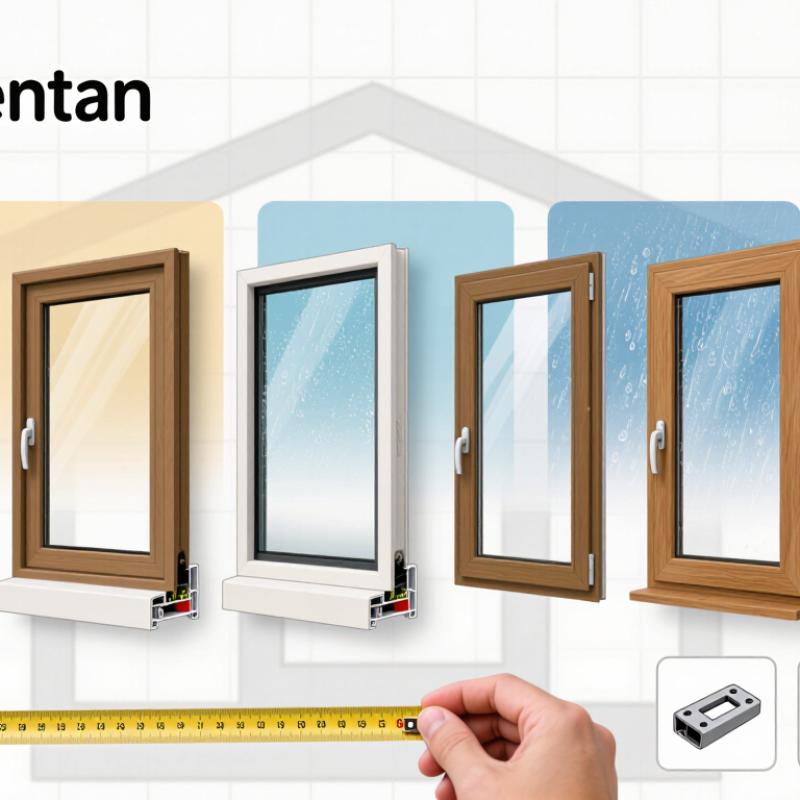
Choosing the right windows and doors starts with understanding their purpose. Casement windows provide strong ventilation and a tight seal. Sliding windows save space in smaller rooms. Awning styles help protect open windows during light rain. Entry doors may use insulated cores, laminated glass, or multipoint locks. Each feature affects comfort, security, and maintenance.
Tips: Check the frame material, glazing type, and drainage design before comparing prices. Measure the rough opening twice, especially in older homes. A product suited to a coastal area may need corrosion-resistant hardware. For hot climates, low-emissivity glass can reduce indoor heat. Local installation experience matters as much as the product specification.
Style should support the building, not overpower it. Slim black frames suit contemporary walls, while divided-light patterns often complement traditional homes. Consider where sunlight enters at different hours. A beautiful door can still perform poorly if its threshold allows water inside. I have seen small fitting errors create drafts that owners blamed on the window itself. That assumption is not always fair.
Look for tested air leakage, water resistance, and structural performance ratings. Request written warranty terms and clarify who handles service visits. Energy labels help, but they do not replace a site assessment. Ventilation, shading, wall insulation, and installation quality work together. Sometimes the most expensive option is simply the wrong application.
| Tip | Selection Dimension | Relevant Options or Performance Data | Best-Suited Applications | Practical Selection Advice |
|---|---|---|---|---|
| 1 | Frame Material | Vinyl offers low maintenance and good insulation; fiberglass provides high dimensional stability; aluminum supports slim sightlines but can conduct more heat unless thermally improved; wood delivers a traditional appearance but requires regular finishing. | Vinyl for budget-conscious replacements, fiberglass for demanding climates, aluminum for contemporary designs, and wood for traditional interiors. | Compare durability, thermal performance, upkeep, finish options, and total installed cost rather than evaluating price alone. |
| 2 | Window and Door Style | Casement units open outward with a crank; sliding units move horizontally; single-hung and double-hung units move vertically; awning units are hinged at the top; hinged doors swing, while sliding doors move along a track. | Casement and awning styles suit ventilation; sliding styles suit limited clearance; hung styles suit traditional façades; hinged and sliding doors suit patios, entries, and balconies. | Check opening direction, furniture placement, walkway clearance, ventilation needs, and whether the operating hardware is easy to reach. |
| 3 | Energy Efficiency | Look for insulated frames, low-emissivity glazing, warm-edge spacers, and double- or triple-pane glass. Lower U-factor generally indicates better insulation; SHGC should be selected according to climate and solar exposure. | Lower U-factor is useful in heating-dominated climates; lower SHGC can reduce unwanted solar heat in hot, sunny conditions; moderate SHGC may help passive solar gain in cooler conditions. | Review the complete fenestration rating, not just the glass type, and compare certified values for U-factor, SHGC, visible transmittance, and air leakage. |
| 4 | Glass and Daylight | Clear glass maximizes daylight; low-emissivity coatings improve thermal control; laminated glass improves impact resistance and acoustic performance; tempered glass is designed to break into smaller, less sharp fragments. | Large living-room openings benefit from daylight-focused glazing; street-facing rooms may benefit from laminated or acoustic glazing; wet areas and doors often require safety glazing under local codes. | Balance daylight, privacy, glare, heat gain, noise control, and safety requirements before choosing decorative or specialty glass. |
| 5 | Weather Resistance | Key factors include air leakage, water penetration resistance, wind-load capacity, sill design, weatherstripping, and properly integrated flashing. Performance varies by product configuration and installation. | Wind-exposed elevations, coastal areas, regions with heavy rainfall, and buildings with large glazed openings require greater attention to tested performance. | Verify local design pressures, drainage details, corrosion resistance, and installation requirements before ordering custom-size units. |
| 6 | Security and Accessibility | Consider multi-point locks, reinforced strike plates, laminated glass, smooth operating forces, low thresholds, lever handles, and accessible clear opening widths. | Entry doors need robust locking and durable hinges; patio doors benefit from anti-lift protection; accessible homes benefit from low thresholds and easy-to-operate hardware. | Confirm local accessibility, egress, and emergency-exit requirements, especially for bedrooms, bathrooms, and elevated openings. |
| 7 | Sizing, Installation, and Maintenance | Accurate rough-opening measurements, a level and square frame, continuous flashing, compatible sealants, and correct shimming are essential. Maintenance commonly includes cleaning tracks, inspecting seals, lubricating hardware, and refinishing exposed wood. | Replacement projects require careful verification of existing openings; new construction allows greater flexibility in rough-opening design and water-management detailing. | Use qualified installation practices, document final dimensions, review warranty conditions, and select finishes that match the building’s maintenance capacity. |
Note: Energy, structural, safety, and accessibility requirements vary by climate zone, building type, opening size, and local code. Confirm project-specific ratings and installation details before purchase.