Why Choosing the Right Doors and Windows Matters for Your Home?
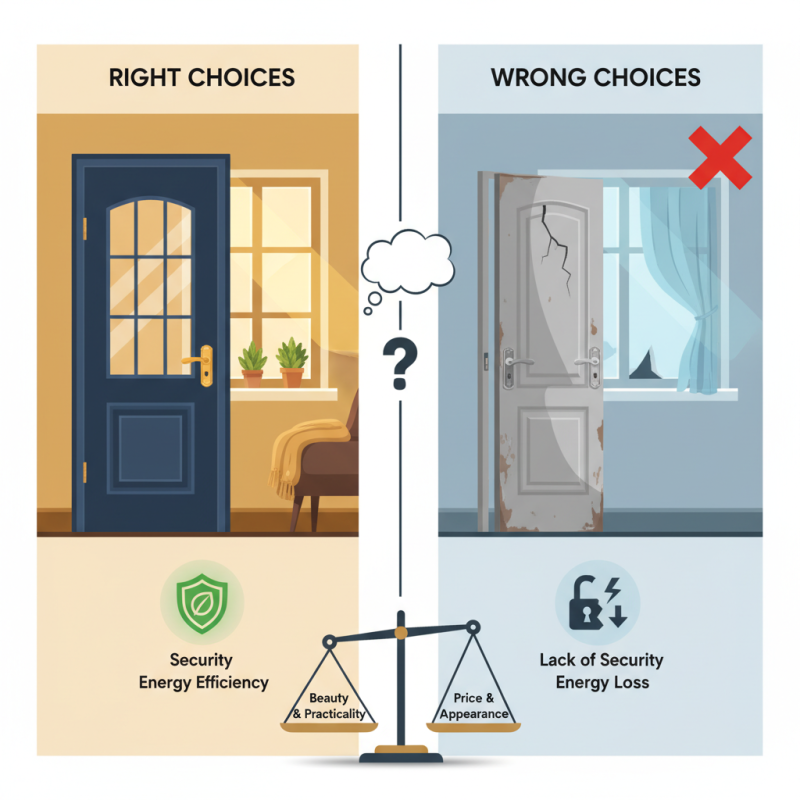
Choosing the right doors and windows is crucial for every home. These elements play a vital role in functionality and aesthetics. The right doors enhance security and add charm. Well-selected windows bring in natural light and improve energy efficiency.
However, many people overlook these aspects. They often choose purely based on price or appearance. This can lead to regrets later. Poor-quality doors and windows may warp or break. They can create drafts, leading to higher energy bills.
Reflecting on these choices is essential. Are your current doors and windows serving you well? Do they match your home's style and offer adequate protection? A thoughtful selection can truly transform a space, blending beauty with practicality.
The Impact of Quality Windows and Doors on Home Energy Efficiency
Choosing the right doors and windows can significantly influence a home's energy efficiency. Quality windows can prevent heat loss during winter. Studies show that up to 30% of heating energy escapes through windows. This means poorly insulated windows can inflate heating costs.
Moreover, air leaks can be a major concern. On average, homes experience around 20% air leakage due to ineffective window and door installations. This can lead to drafts and uneven temperatures. In contrast, energy-efficient models can reduce energy use by 15-20%. It’s striking to think that homeowners might overlook such cost-saving opportunities.
In addition, window design plays a vital role. For instance, double or triple-glazed windows are more effective than single-pane windows. They provide better insulation and UV protection. Yet, many people settle for less. Choosing quality products is essential, yet it can be an overwhelming task. Balancing aesthetics with functionality is not always easy, and quality often comes with a higher price tag. People must weigh their options carefully, as decisions now can impact future energy bills.
How Proper Insulation from Windows and Doors Affects HVAC Costs
Choosing the right windows and doors is crucial for every home. Proper insulation directly impacts HVAC efficiency and energy costs. According to the U.S. Department of Energy, windows account for 25-30% of residential heating and cooling energy use. When poorly insulated, homes can lose significant amounts of conditioned air.
A study by the National Institute of Standards and Technology revealed that upgrading to energy-efficient windows can reduce energy bills by up to 15%. Tight-fitting doors prevent drafts, which further improves efficiency. A small investment in quality materials can yield substantial savings over time.
Many homeowners overlook these details. They might choose aesthetics over function. However, every ill-fitting window or door can be a leakage point. Even reputable installations can falter without proper maintenance, leaving you with higher bills. Reflecting on these factors can lead to smarter choices, ultimately protecting your home's comfort and finances.
The Aesthetic Appeal of Choosing the Right Doors and Windows
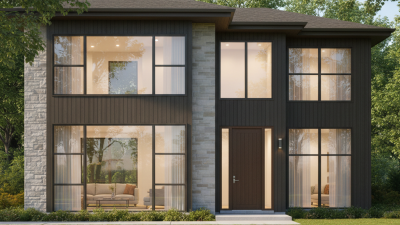
Choosing the right doors and windows greatly influences the aesthetic appeal of your home. A striking entrance can create a lasting first impression. Well-designed windows allow natural light to stream in, enhancing the overall mood of your spaces.
According to a report by the National Association of Realtors, homes with attractive entry doors can increase perceived value by up to 10%. Furthermore, window styles that complement the architectural design can add distinct charm. The shape, color, and material of doors and windows dictate not just style but emotional impact as well. Misplacing design choices could lead to a disjointed look, making spaces feel less inviting.
Tips: Select a color palette that meshes with your home’s theme. Don’t be afraid to mix materials, but be mindful of balance. Inconsistent styles can feel jarring. Consider local climate as well; materials should withstand environmental conditions. Not all choices will stand the test of time. Reflect on how future trends might impact your current decisions. Remember, what looks good now may feel outdated later. Choose wisely.
Statistical Benefits of Upgrading to Energy-Efficient Windows and Doors
Upgrading to energy-efficient windows and doors can yield impressive benefits for homeowners. According to the U.S. Department of Energy, energy-efficient windows can reduce energy bills by up to 15%. Imagine saving hundreds of dollars each year just by making a smart choice regarding your home's fixtures. These windows minimize heat loss, keeping homes warmer in winter and cooler in summer.
Moreover, a study from the National Renewable Energy Laboratory suggests that energy-efficient doors contribute to a 10-20% reduction in heating and cooling costs. This is not just about savings; it enhances comfort too. Many homeowners overlook the impact of drafts and temperature fluctuations on their daily lives. Small changes can lead to significant improvements.
The environmental benefits are equally compelling. The EPA estimates that energy-efficient home improvements, including new windows and doors, can reduce greenhouse gas emissions considerably. However, not every product in the market guarantees high efficiency. Homeowners must research carefully to find truly effective options. Balancing efficiency with cost can be tricky. Investing in energy-efficient upgrades is a decision worth pondering deeply.
Impact of Upgrading to Energy-Efficient Windows and Doors