China Top 10 Window Door Installation Suppliers
Selecting a partner from China’s many manufacturers requires more than comparing prices or browsing polished product photos. This guide to China Top 10 Window Door Installation Suppliers examines the practical details that shape a successful project: product range, installation support, customization, quality controls, warranty terms, and communication. The right choice depends on building type, climate, budget, and delivery schedule. A supplier suited to a coastal hotel may not fit a small residential renovation.
Installation details matter. Very much. Building-science expert Joseph Lstiburek has said, “Water is the most damaging thing to a building.” That principle is especially relevant to window door installation, where careful measuring, flashing, sealing, and drainage help protect the surrounding structure. A strong product alone cannot correct a poorly prepared opening. Ask suppliers how their teams handle site measurements, installation procedures, and follow-up service—not just what appears in the catalogue.
The suppliers featured here are presented as options to investigate, not as a universal ranking for every buyer. Compare their experience with similar projects, available certifications, production capacity, and documented service commitments. Request specifications and confirm who is responsible for installation in your location. Some companies manufacture products but rely on local partners for fitting; that distinction can affect timelines and accountability. Details can be missed. This overview offers a starting point, but direct verification remains essential. A careful shortlist, clear questions, and realistic expectations can help buyers find a dependable supplier for their next project.

Understanding China’s Window and Door Installation Supplier Market
China’s window and door installation supplier market includes manufacturers, project contractors, and regional installation teams. Their roles may overlap, so responsibility for measurements, delivery, and fitting should be clearly assigned. A low unit price may exclude site surveys, frame adjustments, sealant, or post-installation checks. Ask for a written scope. Small details matter.
Supplier capabilities vary by region and project type. Coastal cities may face humidity and wind-driven rain, while northern projects may prioritize insulation and freeze resistance. Compare frame materials, glass specifications, hardware grades, drainage design, and documented test results—not just catalog photos. Request sample sections and inspect corner joints, gasket continuity, and finish consistency in natural light. For installation, confirm who measures openings, handles tolerances, and checks alignment with leveling tools. These questions reveal process maturity.
References from similar buildings can help, but they do not prove consistent execution. Verify recent project records and clarify service response times in writing. One weakness in many sourcing plans is assuming factory quality guarantees installation quality. It does not. Transport damage, uneven masonry, and rushed sealing can undermine good products. Allow time for a pre-installation survey, and record defects with dated photographs. Supplier comparisons are rarely tidy; specifications may differ in ways buyers notice too late.
Criteria for Evaluating Installation Suppliers
China Top 10 Window Door Installation Suppliers
Criteria for Evaluating Installation Suppliers
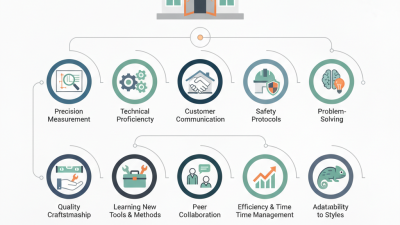
A supplier’s product range matters, but installation quality determines how well windows and doors perform on site. Ask how crews measure each opening, record uneven walls, and confirm clearances before ordering. A careful survey should include sill levels, frame depth, drainage paths, and nearby finishes. Small measurement errors can lead to drafts or difficult operation.
Review the installation team’s relevant project experience, not just the supplier’s sales portfolio. Request recent references for buildings with similar materials and exposure, then ask what problems arose and how they were resolved. Look for written scope details covering removal, sealing, hardware adjustment, cleanup, and follow-up service. Check who supervises the crew and how changes are documented.
Clear answers help. Vague promises do not. Site conditions can still surprise even experienced teams, and a supplier may not explain every risk perfectly at the first meeting. That deserves a direct conversation, not an automatic rejection.
Compare proposed methods, response times, and service terms, and keep the notes. A lower quote may omit important preparation or finishing work. One gap remains: references can show past performance, but they cannot guarantee your project will run smoothly.
Profiles of Ten Leading Chinese Installation Suppliers
China’s window and door installation suppliers differ less by catalogue size than by site discipline.
These ten profiles compare installation teams through project type, regional coverage, crew training, inspection records, and after-sales response. Some focus on apartment replacement; others handle new housing, commercial façades, or export projects. The distinction matters. UNEP and GlobalABC’s 2024 Global Status Report for Buildings and Construction estimates that buildings and construction used 32% of global energy and produced 34% of energy-related CO₂ emissions in 2023. The IEA’s buildings analysis reports different shares because its scope differs, but points to the same need: better-performing building components must be installed correctly.
A useful supplier profile should show how crews measure openings, level frames, secure anchors, and seal perimeter gaps. Ask for job-site photos, installation checklists, and examples of remedial work—not just polished showroom images. Water drainage deserves attention. So do sill details, fastener spacing, and the continuity of insulation around the frame. Small details matter.
The profiles also distinguish suppliers by how they manage difficult conditions: uneven masonry, tight renovation schedules, exposed high-rise locations, or coastal moisture. These are practical tests, not claims of universal expertise. Published reports rarely measure installation workmanship directly, so supplier comparisons should be checked against project records and site references. That evidence can be incomplete. A tidy brochure cannot prove a tidy installation.
Comparing Supplier Services, Coverage, and Expertise
Comparing China’s leading window and door installation suppliers requires more than checking product catalogs. Compare service scope, geographic reach, and installation expertise. The GlobalABC and UNEP 2023 Global Status Report for Buildings and Construction estimates that buildings used 34% of global energy demand in 2022 and accounted for 37% of energy- and process-related CO2 emissions. That context makes glazing specifications, frame fit, and perimeter sealing practical performance questions, not sales details.
Ask each supplier how site measurements are verified, who manages installation, and how defects are handled. Request project references from climates similar to yours, plus documented air- and water-tightness tests where available. Coverage matters too: regional crews may respond faster, while distant sites can add travel, scheduling, and replacement-part delays. Check whether quotes include removal, flashing, disposal, and post-installation inspection. Small omissions become expensive.
Expertise is visible in the details. A technician should explain drainage paths, anchoring, and expansion gaps in plain language. Compare warranty terms and response times, not just headline duration. Details matter. Supplier claims can sound reassuring, yet site conditions vary, and published test results cannot guarantee identical field performance. Ask for a written scope and clear responsibility for each stage. It can feel tedious, but it helps reveal gaps before installation begins.
Key Factors in Selecting an Installation Supplier
Selecting a window and door installation supplier requires more than comparing prices. A low quote can hide excluded work, such as removing old frames, sealing joints, or repairing interior trim. Ask for an itemized scope. Details matter.
Check the team’s experience with projects similar to yours, including building type, opening sizes, and weather exposure. Request recent project references and photos showing finished corners, sill drainage, and sealant lines. Ask who will measure the openings and who will supervise installation. A clear answer helps prevent handoff problems. Confirm how the supplier handles damaged units, schedule changes, and follow-up service in writing.
For overseas projects, discuss packaging, shipping coordination, and who checks dimensions before production. Agree on measurable acceptance points, such as smooth operation, even gaps, and no visible water entry during an agreed inspection. Ask which installation methods and materials suit the site conditions, rather than accepting a generic promise. Some estimates may still be imperfect; construction conditions can change after old frames are removed. A supplier willing to document assumptions and revise the plan is often easier to work with.