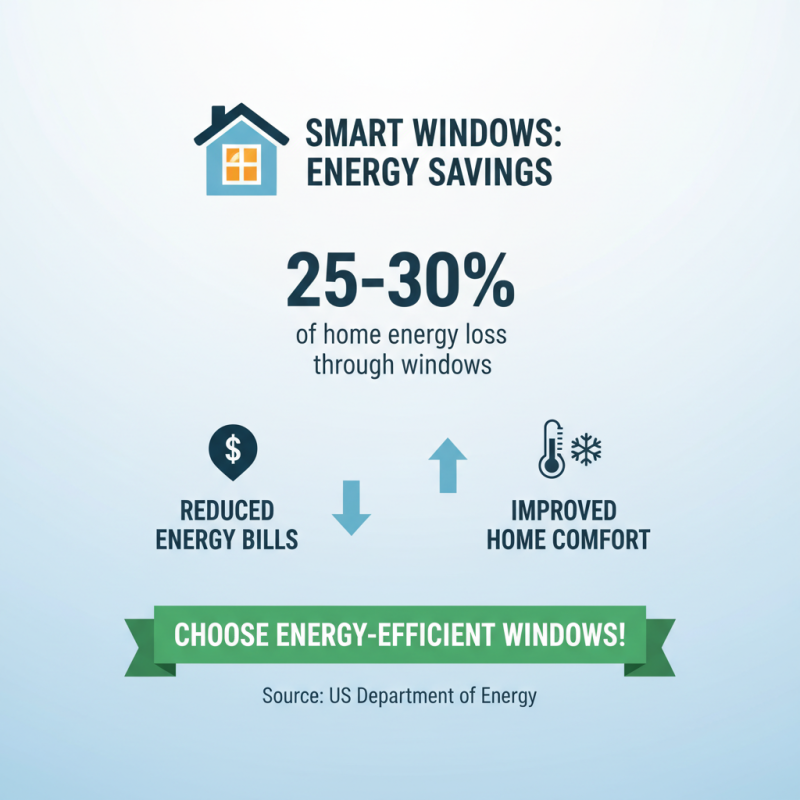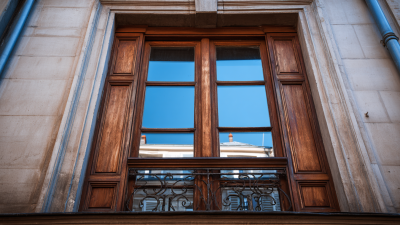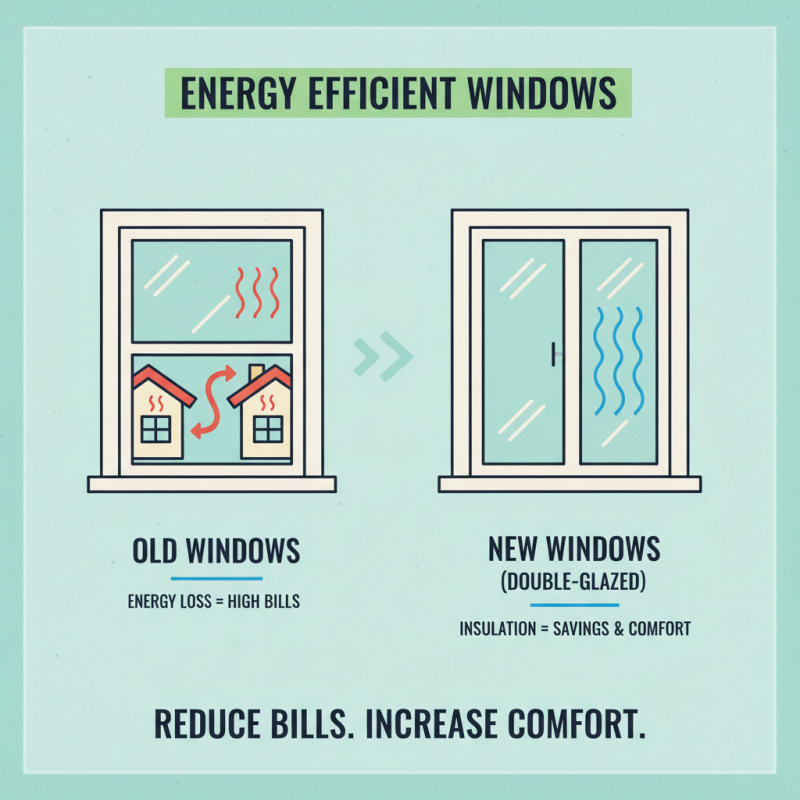
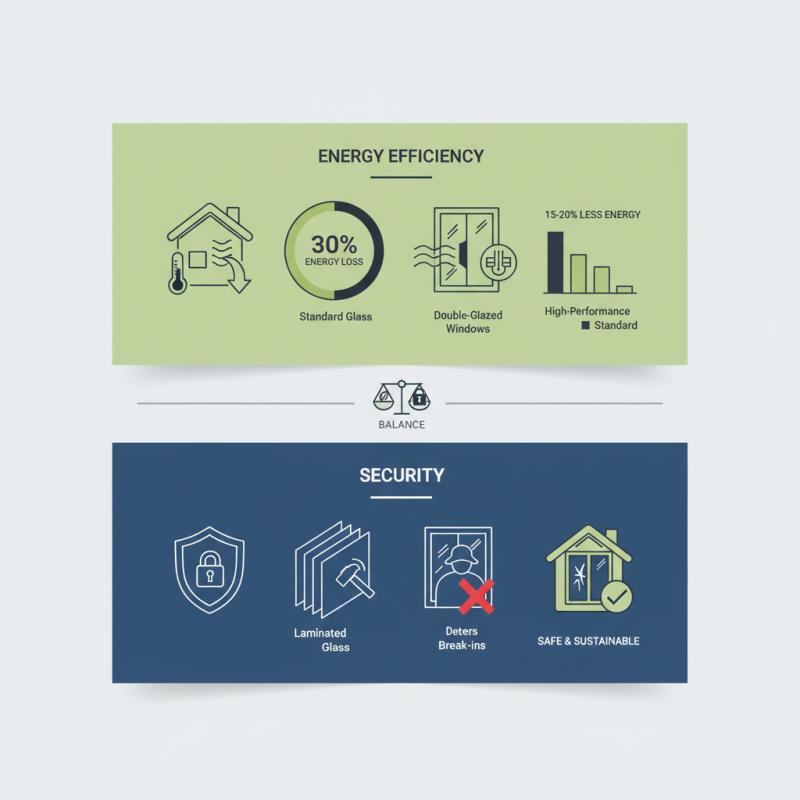
In the quest for energy efficiency and security, building windows play a crucial role. According to the U.S. Department of Energy, up to 30% of a building’s heating and cooling energy can be lost through inefficient windows. Selecting the right type of windows not only reduces energy costs but also enhances security measures. For example, double-glazed windows can significantly improve insulation, reducing energy consumption.
East Coast energy audits reveal that buildings with high-performance windows use 15-20% less energy compared to those with standard glass. Security features like laminated glass can deter break-ins but may not be widely adopted yet. Many homeowners still overlook the importance of window selection, risking both their energy bills and safety. Real-world examples show a stark contrast in energy efficiency between conventional windows and advanced models.
While many strive for energy-efficient designs, some may neglect their windows' protective qualities. This could lead to potential hazards and increased vulnerability. Ultimately, understanding the balance between energy efficiency and security in building windows is imperative for creating a safe and sustainable environment.
When selecting building windows for energy efficiency, it's crucial to understand how they impact energy consumption. Windows account for about 25-30% of residential heating and cooling energy use, according to the U.S. Department of Energy. Choosing the right windows can significantly reduce energy bills and improve comfort.
One important factor is the window's U-factor, which measures thermal performance. The lower the U-factor, the better the window insulates. Windows with a U-factor of 0.30 or lower are considered energy-efficient. Another key characteristic is the Solar Heat Gain Coefficient (SHGC). This number indicates how well your windows block heat from sunlight. An SHGC of 0.25 or lower is ideal for hot climates.
**Tips**: Ensure proper installation. Gaps can lead to energy loss. Consider using double or triple-glazed windows for better insulation. Remember, energy-efficient windows may have a higher upfront cost, but they can save you money over time.
It’s essential to think about the overall design of your windows as well. Aesthetics are important, but so is functionality. Often, not enough attention is paid to how much sunlight enters through the windows, which can affect indoor temperatures and lighting. Balancing design with energy efficiency requires planning and consideration of local climate conditions.
Choosing the right windows can greatly enhance a building's energy efficiency. The right choice reduces energy bills while ensuring comfort. Double-glazed windows are popular for their insulating properties. These windows have two panes of glass, creating a barrier against heat transfer. As a result, they keep interiors warm during winter and cool in summer.
Another option is low-emissivity glass, often called low-E glass. This type has a special coating that reflects infrared energy. It allows natural light in while reducing heat loss. While they are effective, not everyone is familiar with their benefits. Some may find the initial cost high. However, long-term savings on energy bills can be substantial.
Moreover, window frames made from materials like fiberglass or vinyl provide better insulation than traditional wood frames. These materials are durable too. However, the idea of switching may seem daunting for some. There's always a hesitation to invest in new technology. Learning about various options is essential. Energy-efficient windows can lead to a more sustainable living experience.
When selecting windows, energy efficiency is crucial. However, security features should not be overlooked. According to the National Institute of Standards and Technology, secure windows help prevent unauthorized access. This enhances the overall safety of a building.
Multiple layers of glass can make a significant difference. Double or triple-pane windows often meet safety standards while improving insulation. The impact resistance of these windows can deter forced entry. It’s essential to choose frames made from durable materials, such as vinyl or fiberglass. This adds to structural integrity.
Moreover, locking mechanisms are vital for security. Multi-point locking systems are more effective than standard latches. They distribute pressure evenly across the window frame. Additionally, installing window sensors on operable windows can provide alerts on potential breaches. These features not only enhance safety but also promote peace of mind for residents. Homes equipped with robust security measures report a 35% lower risk of break-ins. Investing in secure windows is a wise choice for both energy savings and security.
When considering window materials, energy efficiency is crucial. Different types of windows provide varying levels of insulation and reduce energy costs. For example, double-glazed windows trap air between two panes. This reduces heat transfer and can make your home feel warmer in winter. But not all double-glazed windows are created equal.
Vinyl windows are popular for their insulation properties. They resist condensation and can help keep homes at a constant temperature. However, if they are not properly installed, drafts can occur. This can lead to wasted energy and increased utility bills. Reflective films are another option. These can block UV rays and keep homes cooler in summer.
**Tip:** Insulate around the frame when installing new windows. This can enhance energy efficiency significantly.
Choosing window materials also impacts security. Some glass types are more resilient than others. Laminated glass, for instance, holds together when shattered, offering better protection. But it tends to be more expensive. Homeowners should weigh the benefits against the costs.
**Tip:** Consider combining window locks with strong materials for added security. This can deter potential break-ins effectively.
When considering installation, energy efficiency and security are crucial. Proper sealing around windows can reduce energy loss by up to 30%, according to the U.S. Department of Energy. Ensuring a tight fit helps maintain indoor temperatures. It can minimize heating and cooling costs. However, many installations overlook this. Poor sealing can lead to unnecessary drafts and increased energy bills.
The choice of window materials also impacts performance. Double-glazed windows provide increased insulation compared to single-pane options. They can decrease sound transmission by up to 50%. Nonetheless, not all installations utilize this technology. Some buildings still use outdated materials, compromising both energy efficiency and security. The right hardware and locks should be part of the installation process. Reinforced frames can deter break-ins.
Maintenance is another area that requires attention. Regular inspections can identify issues early. A small crack can lead to bigger problems over time. Many homeowners neglect this aspect, which can affect both security and energy use. Simple checks and repairs can enhance overall performance dramatically. Prioritizing these considerations ensures windows function effectively over their lifespan.
| Window Type | Energy Efficiency Rating (U-factor) | Security Rating | Cost Range (per window) | Installation Considerations |
|---|---|---|---|---|
| Double Glazed | 0.30 | Moderate | $300 - $600 | Requires sealing; ensure proper alignment |
| Triple Glazed | 0.20 | High | $500 - $900 | Heavier; additional support may be needed |
| Energy Star Rated | 0.25 | High | $400 - $800 | Verify installation specifications for eligibility |
| Laminated Glass | 0.35 | Very High | $600 - $1,000 | Special framing required for weight |
| Low-E Coated | 0.22 | Moderate | $350 - $700 | Check compatibility with existing frames |