Menu

10 Tips for Buying Scherer Bros Windows

Buying replacement windows can feel straightforward until you compare frame materials, glass packages, installation methods, and long-term costs. This guide examines scherer bros windows through a practical homeowner’s lens. It focuses on questions that matter before signing a contract, not just attractive showroom displays.

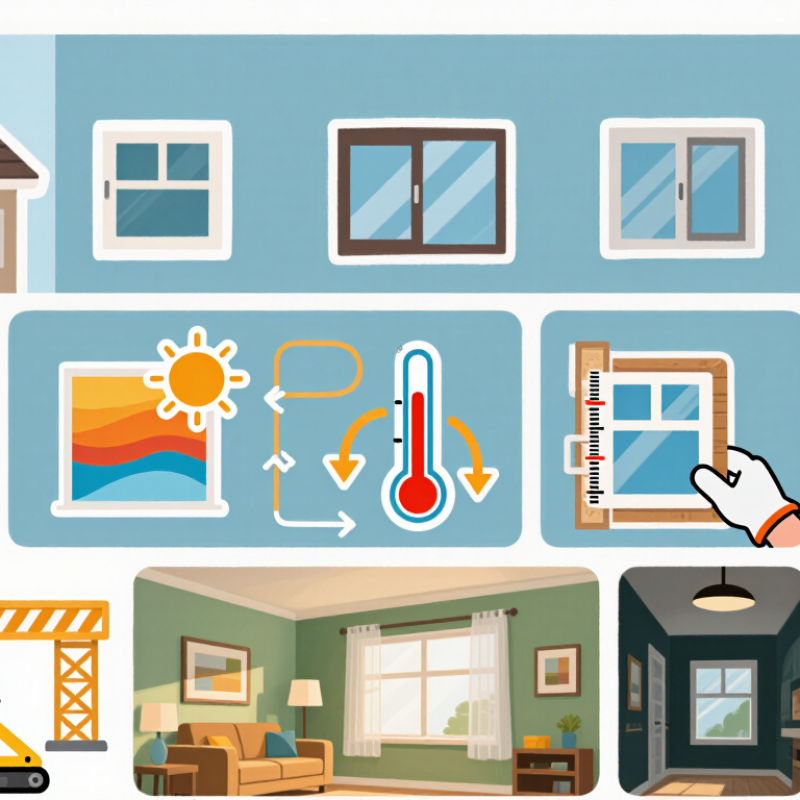
Look closely at the window’s U-factor, solar heat gain coefficient, air leakage rating, and visible warranty terms. These details help explain comfort, energy performance, and maintenance needs. Ask whether the quoted price includes removal, disposal, interior trim, exterior capping, and final cleanup. A low estimate may change quickly when these items appear later. Measure the rooms at different times of day. A bright south-facing bedroom may need different glass from a shaded north-facing hallway.

Installation deserves equal attention. Even a well-rated window can perform poorly when the opening is uneven or flashing is incomplete. Request written details about weather barriers, shimming, insulation, and water-management practices. Confirm who performs the work, how training is verified, and what happens if moisture appears after installation. Speak with recent customers when possible, but remember that one glowing review proves little. Check independent ratings and read the full warranty, including exclusions and transfer rules.

Scherer Bros may offer suitable choices, yet the right decision depends on your home, climate, budget, and priorities. Do not assume the most expensive package is best. That assumption needs testing. Use the following ten tips to compare products, installation quality, service commitments, and realistic lifetime value with greater confidence.
10 Tips for Buying Scherer Bros Windows

Understanding Scherer Bros Windows and Their Main Product Options

Choosing replacement windows requires more than comparing frame colors. The main options usually include vinyl, wood, fiberglass, and composite frames. Each material changes maintenance, insulation, durability, and price. The U.S. Department of Energy reports that windows can influence 25% to 30% of residential heating and cooling energy use. That figure makes glass performance important. Look for low-emissivity coatings, insulated glazing, and warm-edge spacers. Small details matter.

Tip: Read the NFRC label before trusting sales language. It shows U-factor, solar heat gain coefficient, visible transmittance, and air leakage. Lower U-factor generally means better insulation. A lower solar heat gain coefficient can help in hot climates. ENERGY STAR reports that certified windows can reduce household energy bills by about 15% when replacing single-pane units. Results vary. Existing walls, shading, and installation quality still matter.

Tip: Match the product to the room, not just the climate zone. South-facing glass may need stronger solar control. A north-facing window may benefit more from insulation. Ask for installation details, including flashing, shims, drainage, and warranty limits. In practice, a premium window can perform poorly after careless fitting. I have found that clear measurements prevent expensive surprises. A perfect choice is unlikely. Recheck the opening size, ventilation needs, cleaning access, and emergency egress requirements before signing.

Assessing Window Styles, Materials, Glass, and Energy Performance

10 Tips for Buying Scherer Bros Windows

Assessing Window Styles, Materials, Glass, and Energy Performance

Window style affects ventilation, cleaning, security, and air leakage. Casement windows usually seal tightly when closed, while sliding windows offer easy operation. A wide picture window brings daylight but provides little ventilation. Measure opening size, wall direction, and nearby furniture before choosing a style. Small details matter.

Frame materials also change long-term performance. Vinyl frames need little maintenance, while fiberglass resists expansion and contraction. Wood offers warmth but requires regular finishing. Aluminum can be durable, yet thermal breaks are essential in colder climates. Installation quality may matter more than the frame label. An imperfect fit wastes money.

The U.S. Department of Energy reports that windows can cause 25–30% of residential heating and cooling energy use. Check the National Fenestration Rating Council label for U-factor, solar heat gain coefficient, visible transmittance, and air leakage. Lower U-factor generally improves insulation. Lower SHGC can reduce summer heat in sunny rooms. However, northern rooms may benefit from controlled solar gain.

Double-pane low-emissivity glass suits many homes, while triple-pane units can improve comfort in severe climates. Argon gas helps, but failed seals eventually reduce performance. The ENERGY STAR program reports that certified replacements can reduce household energy bills by about 7–15% compared with single-pane clear windows. Actual savings vary with climate, shading, and installation. Ask for whole-window ratings, not center-glass claims. That distinction is easy to miss.

Comparing Prices, Warranties, Installation, and Long-Term Value

10 Tips for Buying Replacement Windows

Price comparisons should begin with identical specifications, not attractive headline quotes. Request written estimates for the same window size, glass package, frame material, delivery, removal, and interior finishing. A low bid may exclude permits or disposal fees. Measure twice. Small errors can create expensive changes after ordering.

Study the warranty as carefully as the product. Check coverage for glass seals, hardware, frames, labor, and transferable ownership. Ask who handles service when a seal fails during winter. Read every clause. Some warranties limit coverage near coastal areas or require professional installation. Confirm the installer’s license, insurance, references, and years of local experience. Ask how crews protect flooring, repair trim, and manage unexpected moisture damage. A clean jobsite is practical evidence of care, though it does not guarantee perfect workmanship.

Long-term value includes energy performance, comfort, maintenance, and resale appeal. Compare visible glass area, ventilation options, solar heat ratings, and condensation resistance for your climate. Look for independently verified performance data rather than vague efficiency claims. Visit a completed project if possible; I have found that photographs hide uneven caulking and poorly aligned hardware. One mistake is assuming the most expensive option lasts longest. Another is ignoring how often moving parts will need adjustment. Record every promise in the contract, including completion dates and cleanup responsibilities. A slightly higher installation cost can be sensible when it prevents drafts, water intrusion, or repeated repairs.

Checking Measurements, Home Requirements, and Local Building Regulations

Buying replacement windows requires more than matching a frame to an opening. Measure each opening in three places: top, middle, and bottom. Record the smallest width and height, then check the diagonals for squareness. A six-millimeter error can create costly installation problems. I once trusted one old measurement and underestimated the sill depth. That shortcut was wrong. Check wall thickness, exterior cladding, interior trim, drainage paths, and the condition of surrounding wood. Photograph every opening before ordering.

Local requirements matter just as much. The U.S. Department of Energy reports that windows can account for about 25–30% of residential heating and cooling energy use. The National Fenestration Rating Council explains that U-factor measures heat transfer, while solar heat gain coefficient measures unwanted solar heat. Compare both values for your climate and room orientation. A south-facing room may need different glass from a shaded bedroom. Check the International Residential Code and your municipality’s current amendments for egress dimensions, safety glazing, ventilation, wind pressure, and permit rules. Historic districts may require separate approval. Coastal areas often demand stronger products. Do not assume a standard window is acceptable. Confirm the rough opening, emergency-exit clearance, and inspection requirements with the local building department. Rules change. Your contractor can be experienced and still miss one detail.

Choosing a Qualified Installer and Reviewing the Final Purchase Agreement

Choosing a qualified installer can matter as much as choosing the windows themselves. Ask for proof of licensing, insurance, training, and recent local projects. Request references from homeowners with similar homes, not only polished showroom examples. A reliable installer should inspect the openings, explain measurement methods, and identify moisture or structural concerns before quoting.

Watch the installation process closely. Are the frames level? Is flashing installed correctly? Are gaps insulated without being overfilled? Small gaps matter. Ask who handles permits, debris removal, interior trim, and unexpected repairs. A low quote may exclude these tasks. That difference can become expensive.

Review the final purchase agreement at the kitchen table, not beside the salesperson’s car. Confirm every window’s size, style, glass package, color, hardware, and energy rating. Check the labor scope, delivery date, payment schedule, warranty coverage, cancellation terms, and change-order fees. The agreement should explain what happens if measurements change or materials arrive damaged. Take photographs of existing trim and keep all emails with the signed documents. Even careful buyers miss details. I once underestimated how important disposal costs were during a renovation, and the surprise affected the budget. Leave room for uncertainty, but require every known cost in writing. Ask questions until the wording feels clear, even if the meeting takes longer.