
Choosing the right Wall Panels can shape a room’s comfort, appearance, and long-term maintenance. Global buyers face more than a style decision. Climate, building standards, shipping conditions, and installation skills all matter.
This guide reviews ten strong options for homes, offices, hotels, and commercial interiors. It considers moisture resistance, surface durability, fire performance, acoustic value, and cleaning needs. Materials include PVC, wood veneer, bamboo, stone composite, WPC, and recycled alternatives. Each option has practical strengths. Each also has limitations.
A humid coastal home may need sealed panels with stable joints. A busy hotel corridor may require impact resistance and simple repairs. A cold warehouse may expose weak adhesives or poor insulation. Product samples can reveal texture, color shifts, and edge quality better than photographs. They also prevent expensive surprises.
Certifications deserve careful attention. Buyers should verify test reports, installation instructions, warranty terms, and supplier experience. Local professionals can confirm whether a panel suits regional codes and wall conditions. Sellers may describe products as “waterproof” or “eco-friendly,” but those claims need evidence.
No panel is perfect. Some attractive surfaces scratch easily. Some sustainable materials cost more or need specialist installation. This guide keeps those trade-offs visible. It aims to support informed purchasing, not simply promote the most fashionable finish. Small details matter, especially when panels cross borders and face unfamiliar climates.
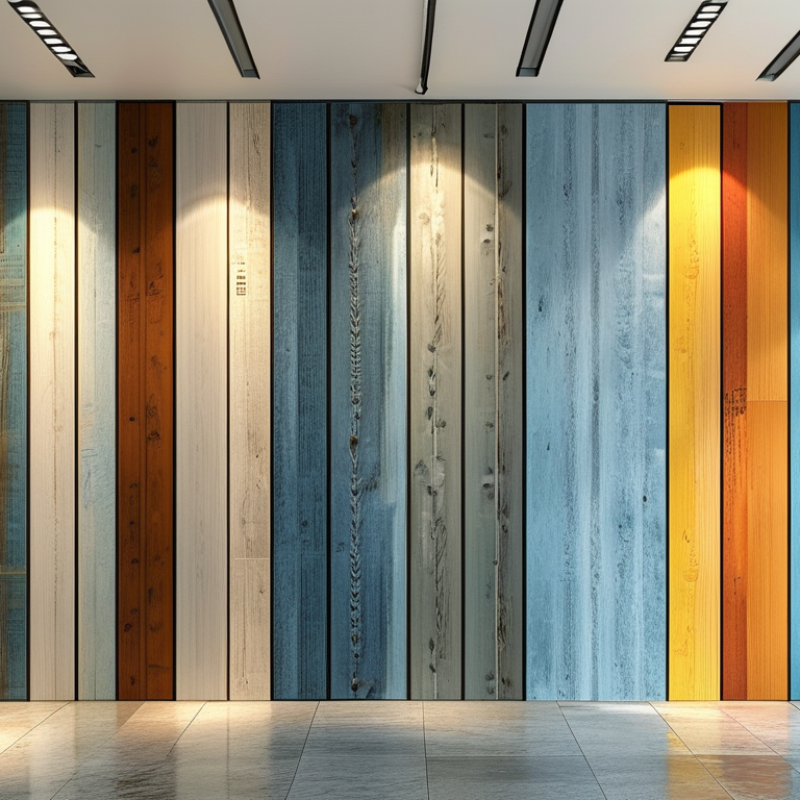
International buyers can choose from PVC, WPC, bamboo, MDF, acoustic, metal, stone veneer, and 3D wall panels. PVC panels suit humid bathrooms because they resist moisture and clean easily. WPC panels provide a warmer wood appearance for hotels, offices, and covered outdoor areas. MDF and bamboo panels offer attractive interiors, but they need careful moisture control. Acoustic panels help reduce echo in meeting rooms, restaurants, and home theaters.
Stone veneer creates a textured, natural finish without the weight of solid stone. Metal panels are durable and suitable for commercial interiors, though they may feel cold in residential spaces. 3D panels add depth to feature walls, but their raised surfaces collect dust. Fire performance, formaldehyde emissions, water resistance, and installation requirements should be checked against the destination market’s standards. Certificates alone are not enough. Test methods and product specifications must match.
For global buyers, wall panels should be judged by material performance, not appearance alone. PVC panels resist moisture and clean easily, making them suitable for bathrooms, kitchens, and humid coastal regions. However, low-grade PVC may dent under impact or release a strong odor indoors. Ask for composition details and verified fire-performance data.
WPC panels combine wood fibers with polymers, giving rooms a warmer texture and reasonable dimensional stability. They can perform well in living areas, but prolonged moisture exposure may still affect cut edges. Bamboo-fiber panels are lightweight and often offer a natural surface. Their performance depends heavily on resin quality, density, and edge sealing. They are not automatically waterproof.
MDF with veneer creates a refined finish for offices and bedrooms, yet it needs careful moisture control. Metal panels provide strong impact resistance and easy maintenance, although they can feel cold and transmit sound. Stone-composite panels appear solid and durable, but their weight increases transport and installation demands. In real specifications, no material wins every room. The honest choice balances climate, cleaning routines, fire requirements, fixing methods, and budget. A small sample test can reveal warping, color changes, or weak joints before a large shipment is approved. That step is easy to skip. It should not be.
10 Best Wall Panels for Global Buyers: How to Compare Wall Panel Design, Durability, and Maintenance
When comparing ten wall panel options, begin with the room’s use, not the showroom finish. A textured surface can hide scratches, while deep grooves collect dust and moisture. In healthcare, hospitality, and kitchens, sealed joints and washable coatings usually matter more than decorative relief. Look beyond the sample. Ask for evidence.
Durability requires test results, not confident sales language. Check impact resistance, dimensional stability, water absorption, and color retention under ultraviolet exposure. Fire performance must match local rules, such as ASTM E84 in North America or EN 13501-1 in Europe. For indoor air quality, request emissions testing under ISO 16000-6 or an equivalent method. The U.S. Environmental Protection Agency reports that indoor concentrations of some pollutants can be two to five times higher than outdoors, making low-emission materials a practical concern.
Maintenance should be measured in labor, water, and replacement frequency. A panel needing special solvents may cost more than its purchase price. The 2024 UNEP Global Status Report for Buildings and Construction states that buildings consume about 32% of global energy and produce 34% of energy-related carbon emissions. Panels cannot solve that problem alone, but durable finishes and improved insulation may support longer renovation cycles. My own comparison would still include a weakness: laboratory tests rarely predict every cleaning mistake or humid climate. Request installation samples, simulate daily cleaning, and inspect edges after repeated exposure. No panel is maintenance-free.
| Wall Panel Type | Design & Appearance | Common Panel Size | Moisture Resistance | Impact & Wear Resistance | Typical Service Life | Maintenance | Best Applications | Relative Cost |
|---|---|---|---|---|---|---|---|---|
| PVC Wall Panels | Gloss, matte, marble-look, wood-look, and tile patterns | 250–1,000 mm wide × 2,400–3,000 mm long; 5–10 mm thick | Very high; non-porous and suitable for wet interiors when correctly sealed | Moderate; can dent or crack under strong impact | 10–20 years indoors with correct installation | Wipe with a soft cloth and mild detergent; avoid abrasive cleaners | Bathrooms, utility rooms, kitchens, retail interiors, and budget renovations | Low |
| WPC Wall Panels | Textured wood grain, fluted profiles, slatted designs, and decorative colors | 150–200 mm wide × 2,800–3,000 mm long; 20–30 mm thick | High for indoor use; edges and joints should be protected from standing water | Moderate to high; stronger than thin PVC but may scratch | 15–25 years indoors, depending on moisture and UV exposure | Dust regularly and clean with a damp cloth; repair damaged surface coatings promptly | Feature walls, offices, hotels, living rooms, and covered commercial areas | Medium |
| MDF Decorative Panels | Painted, veneered, grooved, routed, or 3D geometric surfaces | 600–1,220 mm wide × 2,400–3,050 mm long; 6–25 mm thick | Low to moderate; moisture-resistant grades perform better but require sealed edges | Moderate; surface finish affects scratch and stain resistance | 10–20 years in dry, climate-controlled interiors | Use a dry or slightly damp cloth; prevent prolonged exposure to water | Bedrooms, offices, reception areas, restaurants, and decorative feature walls | Low to medium |
| Plywood Wall Panels | Natural layered edges, wood veneer, stained surfaces, and painted finishes | 1,220 × 2,440 mm or 1,220 × 2,500 mm; 9–18 mm thick | Moderate to high with exterior-grade adhesive and fully sealed faces and edges | High; good screw-holding strength and resistance to everyday impact | 20–40 years indoors when kept dry and maintained | Dust and wipe gently; reseal or refinish exposed wood surfaces as required | Residential interiors, offices, studios, hospitality spaces, and acoustic assemblies | Medium |
| Solid Wood Wall Panels | Natural grain, slatted wood, tongue-and-groove, and custom profiles | 90–200 mm wide × 1,800–3,000 mm long; 12–25 mm thick | Moderate; performance depends on species, coating, ventilation, and humidity control | High, but soft species may dent and finishes can scratch | 25–50 years or longer with proper environmental control | Dust regularly; clean carefully and re-oil or refinish according to the coating system | Premium residences, libraries, hotels, restaurants, and executive offices | High |
| Acoustic PET Panels | Felt-like colors, geometric shapes, baffles, and printed or routed patterns | 600–1,220 mm wide × 1,220–2,440 mm long; 9–24 mm thick | Moderate; resistant to occasional splashes but not intended for wet zones | Moderate; edges can fray or compress under heavy abuse | 10–20 years in normal indoor environments | Vacuum or brush lightly; spot-clean with a damp cloth and mild soap | Open-plan offices, classrooms, meeting rooms, studios, and home theaters | Medium |
| Mineral Fiber Panels | Fine-textured, smooth, perforated, or painted surfaces with a clean commercial look | 600 × 600 mm, 600 × 1,200 mm, or up to 1,200 × 2,400 mm; 12–25 mm thick | Moderate to high depending on the formulation; avoid prolonged saturation | Moderate; rigid surfaces can chip at corners | 15–30 years in stable interior conditions | Dust or vacuum gently; replace panels with severe water or impact damage | Ceilings, offices, healthcare facilities, schools, and acoustic wall systems | Medium |
| Fiber Cement Panels | Smooth, wood-textured, stone-look, or factory-painted architectural finishes | 900–1,220 mm wide × 2,400–3,050 mm long; 6–12 mm thick | Very high; suitable for humid areas and many exterior cladding systems when detailed correctly | High; rigid and resistant to rot, though edges require careful handling | 30–50 years or longer with suitable installation and coating maintenance | Wash periodically; inspect joints, fasteners, and coatings for weather-related wear | Exterior façades, wet-area walls, ventilated rainscreens, and high-traffic interiors | Medium to high |
| Compact Laminate Panels | Solid colors, wood patterns, stone effects, and decorative high-pressure surfaces | 600–1,860 mm wide × 2,440–5,600 mm long; 6–20 mm thick | Very high; dense construction has low water absorption when joints are detailed correctly | Very high; strong resistance to abrasion, impact, and stains | 20–40 years in commercial and institutional interiors | Clean with non-abrasive detergent; generally does not require repainting | Toilets, healthcare facilities, transport interiors, schools, and high-traffic corridors | High |
| Metal Wall Panels | Aluminum or steel surfaces with brushed, perforated, powder-coated, or metallic finishes | 300–1,500 mm wide × 1,000–6,000 mm long; 0.7–3 mm sheet thickness | High when corrosion-resistant metal and protective coatings are selected for the environment | High; resistant to impact and abrasion, although dents may be difficult to repair | 30–50 years or longer, subject to corrosion control and coating quality | Wash with mild detergent; inspect for scratches, coating failure, and galvanic corrosion | Commercial façades, elevators, airports, retail interiors, kitchens, and industrial buildings | Medium to high |
Comparison note: Service-life ranges are typical planning estimates for properly specified and installed panels in suitable environments. Actual performance depends on substrate preparation, ventilation, humidity, UV exposure, cleaning methods, joint detailing, and local building requirements.
Global buyers should judge wall panels by installation conditions, not appearance alone. The ten best options are those that match local walls, climate, and building practices. A panel designed for dry interiors may fail in humid bathrooms or coastal homes. Check the substrate, moisture level, and surface flatness before ordering. Small gaps matter.
Regional compatibility begins with measurements and fixing systems. Confirm whether dimensions use metric or imperial standards. Verify that adhesives, screws, clips, and rails are available locally. For powered acoustic or lighting panels, check voltage, frequency, plug type, and electrical certification. Non-powered panels still require appropriate fire, moisture, and emissions documentation. Local authorities may request different test reports.
Temperature changes also affect installation. Leave the manufacturer’s recommended expansion gap around floors, ceilings, and corners. In cold regions, allow panels to acclimatize indoors before cutting. In tropical regions, protect stored panels from condensation and direct sunlight. Installers should inspect every batch for shade differences and warped edges. One common mistake is trusting a perfect-looking wall. Uneven masonry can transfer stress into rigid panels. A leveling frame may cost more, but it often prevents visible joints later.
I would not call any panel universally compatible. Site conditions vary too much. A careful buyer should request samples, technical drawings, safety data, and regional warranty terms. Ask a qualified local installer to review the plan before shipment. That step feels slow. It can prevent expensive rework.
For global buyers, wall panel selection starts with destination-market requirements. Confirm fire rating, formaldehyde limits, moisture resistance, and installation standards before requesting quotations. Ask for current laboratory reports, not screenshots or vague compliance claims. An independent inspection can verify thickness, color consistency, edge finish, and carton labeling before shipment. Details matter.
Compare landed cost, not factory price alone. Include samples, tooling, packaging, inland transport, export documents, duties, taxes, and port fees. A panel priced at five dollars may become eight dollars after delivery. Currency changes can also damage a careful budget. Keep a small contingency allowance. It is not elegant, but it is realistic.
Shipping requires practical planning. Measure pallet height and container utilization before placing a large order. Use corner protection, moisture barriers, and clear carton markings. Damaged edges create expensive claims and installation delays. Supplier evaluation should include factory capacity, production photos, batch consistency, payment terms, lead time, and after-sales procedures. Request a pre-production sample and approve it in writing. Check references from buyers in similar climates. A spreadsheet can look precise, yet weather, port congestion, or one weak carton may change the result. Recheck assumptions before signing.
